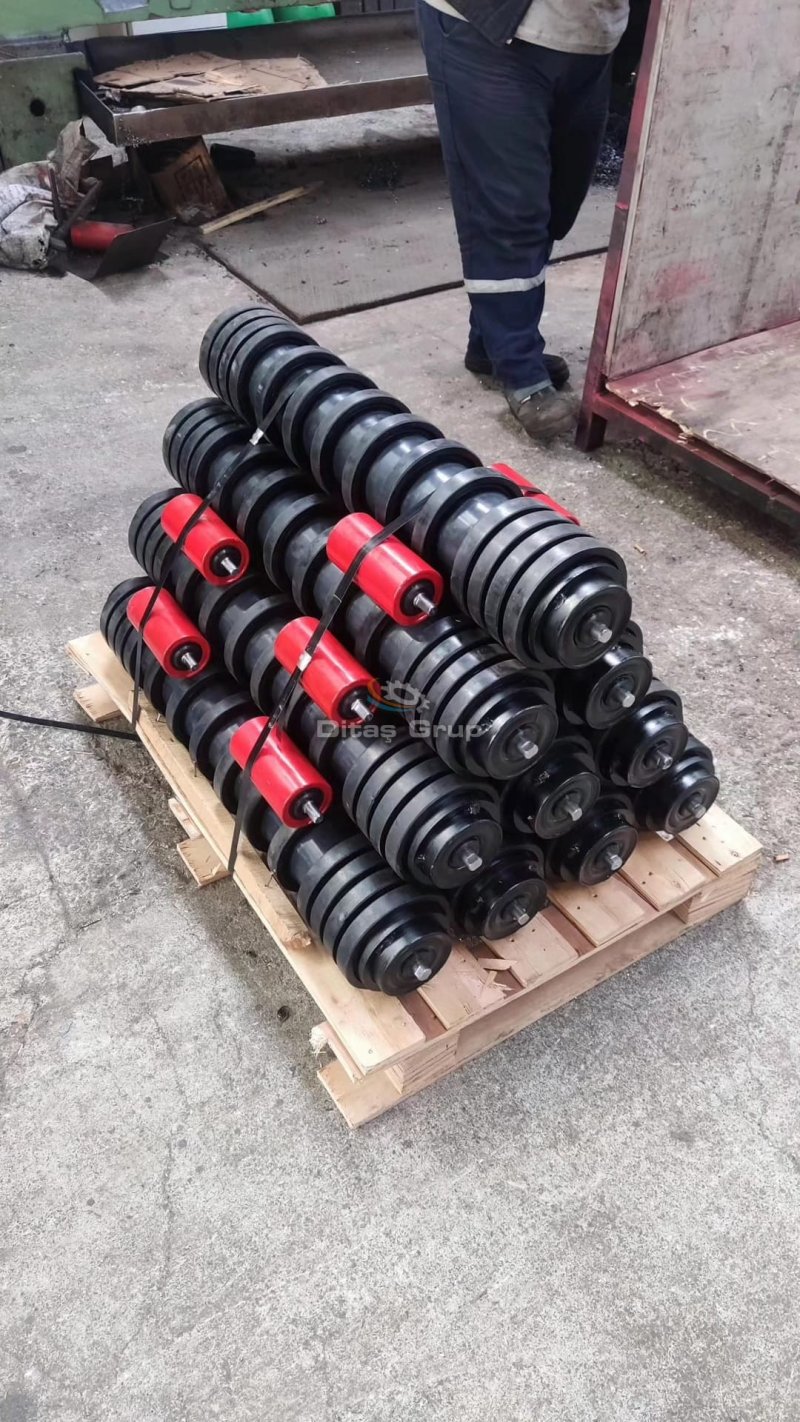
Conveyor Equipment
Conveyor equipment represents a diverse range of machinery designed to facilitate the efficient movement of materials within various industries. From manufacturing and distribution to mining and logistics, conveyor systems play a pivotal role in enhancing productivity and optimizing material handling processes.
1. Conveyor Belts:
Types of Belts: Conveyor belts come in different types, including flat belts, modular belts, and timing belts, each tailored to specific applications.
Material Handling: These belts efficiently transport goods, ranging from raw materials to finished products, across different stages of production.
2. Conveyor Rollers:
Roller Types: Conveyor rollers include gravity rollers for manual movement and powered rollers for automated systems.
Functionality: Rollers support and guide conveyor belts, ensuring smooth movement and minimizing friction.
3. Conveyor Drums and Pulleys:
Drive Pulleys: Connected to the motor, drive pulleys provide the driving force for the conveyor belt.
Return Pulleys: Redirecting the belt for the return journey, these pulleys complete the conveyor loop.
Snub Pulleys: Enhancing traction and reducing slippage, snub pulleys increase the wrap around the drive pulley.
4. Conveyor Frames and Supports:
Frame Construction: Conveyor frames provide structural support for the entire system and are often made from steel or aluminum.
Support Stands: Adjustable support stands ensure proper alignment and stability, contributing to the longevity of the conveyor system.
5. Belt Cleaners and Scrapers:
Cleaner Types: Primary and secondary belt cleaners remove debris, ensuring a clean and efficient conveyor system.
Maintaining Efficiency: Proper cleaning reduces the risk of material buildup, preventing damage to belts and improving overall efficiency.
6. Conveyor Diverter Systems:
Sorting Applications: Diverter systems redirect products to different conveyor lines, facilitating sorting and distribution processes.
Automated Control: Automated diverters are often integrated with sensors and control systems for precise material handling.
7. Conveyor Accessories:
Guarding: Safety guards and enclosures protect personnel and prevent unauthorized access to conveyor equipment.
Impact Beds: Installed beneath the conveyor loading points, impact beds absorb shock and minimize wear on belts and components.
8. Automated Conveyor Systems:
Integration with Automation: Modern conveyor systems are often part of automated material handling solutions, enhancing efficiency and reducing labor requirements.
Sensor Technology: Sensors and control systems enable precise control over material flow, reducing errors and optimizing processes.
9. Maintenance and Safety:
Regular Inspections: Routine maintenance, including inspections of belts, rollers, and other components, is crucial for preventing downtime and ensuring safety.
Training Programs: Proper training of personnel contributes to the safe operation and maintenance of conveyor equipment.
Conclusion: Conveyor equipment forms the backbone of material handling in various industries, streamlining processes, and optimizing efficiency. Understanding the diverse components and their functions is essential for designing, implementing, and maintaining effective conveyor systems.
If you have specific questions or need more detailed information on any aspect of conveyor equipment, feel free to ask.