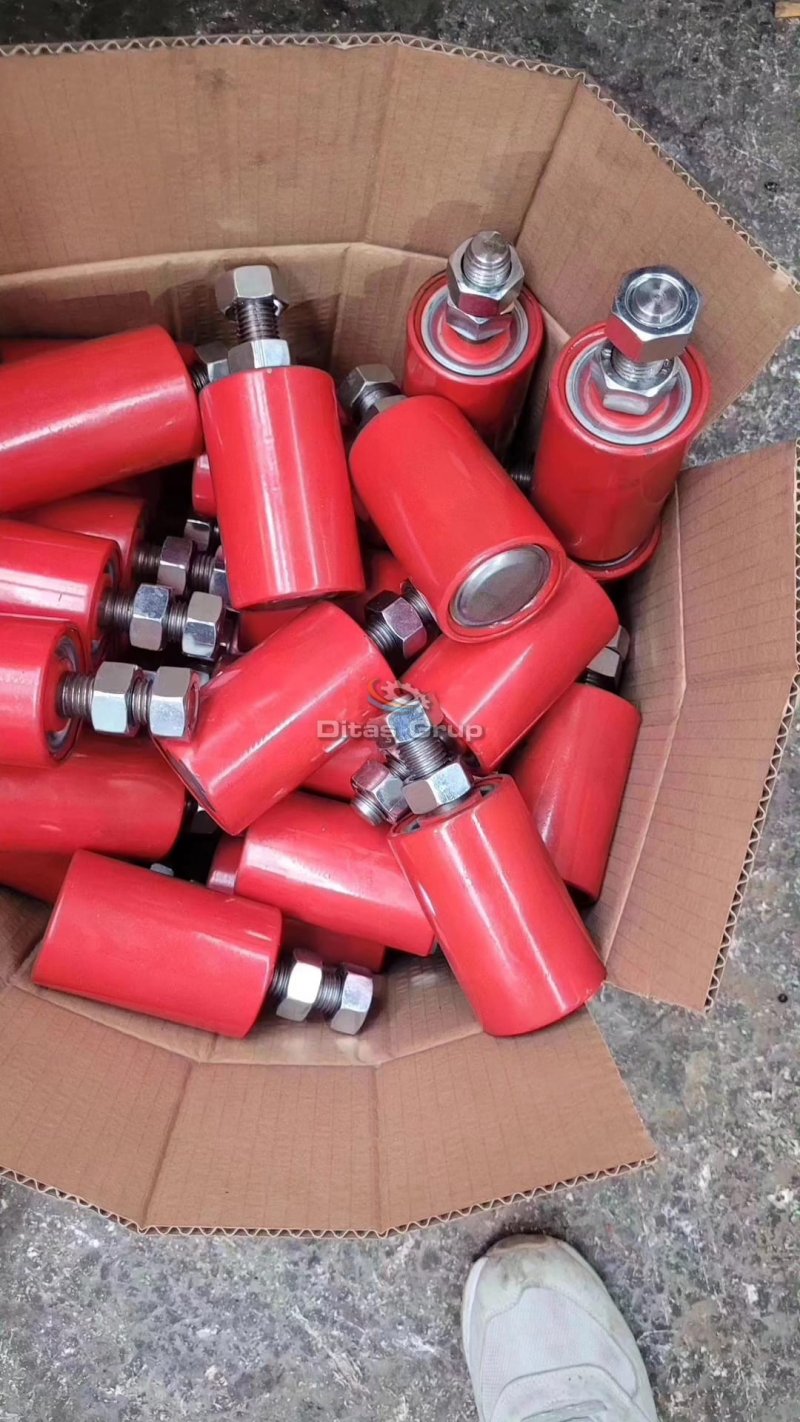
Carrier Conveyor Rollers
Carrier conveyor rollers, also known as idler rollers, are integral components in conveyor systems designed to support and guide conveyor belts. These rollers play a key role in ensuring the smooth and reliable movement of materials in industries such as manufacturing, mining, and logistics.
1. Load Support and Stability:
Load Distribution: Carrier conveyor rollers are strategically placed along the length of the conveyor to evenly distribute the load on the conveyor belt.
Stability: These rollers provide stability to the conveyor belt, preventing sagging and ensuring consistent material transport.
2. Types of Carrier Conveyor Rollers:
Troughing Rollers: Designed to handle a variety of materials, these rollers are shaped to create a trough, supporting the conveyor belt and preventing spillage.
Return Rollers: Positioned on the return side of the conveyor, these rollers support the empty belt on its return journey.
3. Material Selection and Construction:
Steel Rollers: Commonly used in heavy-duty applications, steel carrier rollers provide durability and strength.
Impact Rollers: Designed to absorb impact, these rollers are equipped with rubber discs to minimize damage and protect the conveyor belt.
HDPE Rollers: High-density polyethylene (HDPE) rollers are lightweight and corrosion-resistant, making them suitable for specific applications.
4. Bearing Types:
Precision Bearings: Rollers often feature precision bearings that contribute to smooth rotation and minimize friction, enhancing overall conveyor performance.
Sealed Bearings: Sealed bearings protect against contamination, reducing maintenance requirements and extending the life of the rollers.
5. Adjustable Frames and Supports:
Adjustable Height: Carrier conveyor roller frames are often designed to be adjustable, allowing for changes in conveyor elevation and facilitating proper belt alignment.
Support Stands: Sturdy support stands contribute to the overall stability of the conveyor system, ensuring the rollers are correctly positioned.
6. Dust Seals and Protection:
Dust Seals: Some carrier rollers are equipped with dust seals to protect the bearings from contaminants, reducing the risk of premature wear.
Covers and Guards: Protective covers and guards may be added to prevent material spillage and enhance safety.
7. Applications in Material Handling:
Mining and Quarrying: Carrier conveyor rollers are crucial in the transport of bulk materials in mining and quarrying operations.
Manufacturing: In manufacturing facilities, these rollers facilitate the movement of raw materials and finished products along production lines.
Distribution Centers: Carrier rollers contribute to the efficiency of distribution centers by supporting the conveyance of goods during sorting and shipping processes.
8. Maintenance Considerations:
Regular Inspection: Routine inspection of carrier conveyor rollers is essential to identify wear and address potential issues before they impact the system's performance.
Lubrication: Proper lubrication of bearings ensures smooth rotation and prolongs the life of the rollers.
Conclusion: Carrier conveyor rollers are essential components in conveyor systems, providing support, stability, and load distribution for efficient material transport. Understanding the different types, materials, and maintenance considerations is crucial for optimizing the performance and longevity of conveyor systems.
Feel free to ask if you have specific questions or need more detailed information on any aspect of carrier conveyor rollers.